How to Evaluate Skills Intelligence Software in an AI Era

Workera Team
How to Evaluate Skills Intelligence Software in an AI Era
AI is changing work faster than most organizations can measure it.
Roles are shifting. Hiring signals are becoming harder to trust. And leaders are being asked to make high-stakes workforce decisions without a clear view of what their people can actually do.
That is why skills intelligence is becoming a critical part of workforce strategy.
But not all skills intelligence platforms are created equal.
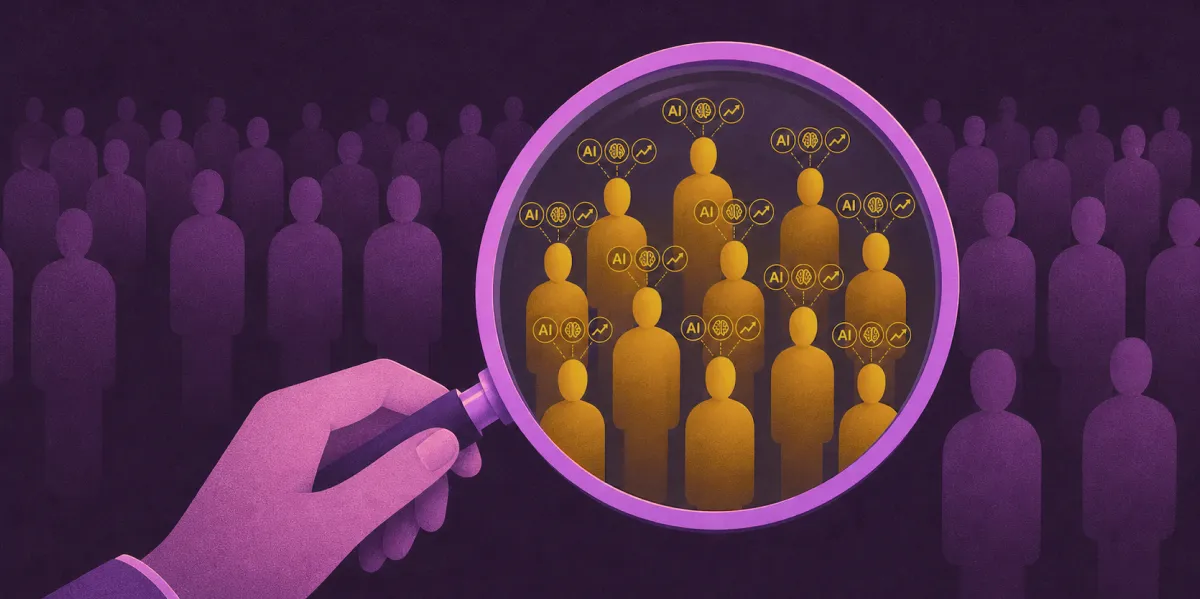
Some platforms collect skills data. Others infer skills based on resumes, job titles, learning history, or employee profiles. These signals may create visibility, but they do not always create confidence.
In the AI era, visibility is not enough.
Organizations need a trusted way to understand workforce capability, identify gaps, and make decisions about hiring, mobility, upskilling, and AI readiness. That requires more than another talent system. It requires an AI-native skills intelligence platform built to verify, interpret, and activate workforce capability at scale — so leaders can move from guessing where talent exists to confidently mobilizing the right people against the work that matters most.
Why traditional skills data falls short
Most organizations already have skills data. The problem is that much of it is unreliable.
Job titles do not prove what someone can do. Course completions do not prove proficiency. Self-reviews are inconsistent and could be skewed. Resumes and portfolios are increasingly shaped by AI. And inferred skills are only as strong as the assumptions behind them.
This creates a major execution risk.
When leaders cannot trust their skills data, they struggle to answer basic questions:
- Is my organization ‘AI ready’ and capable of leveraging AI to demonstrate operational efficiency?
- Do we possess the skills to execute our corporate AI strategy?
- Who are my AI experts and who need the most upskilling?
- Where should we hire, develop, or redeploy talent?
- Which learning initiatives are actually improving capability?
Without verified skills intelligence, organizations risk making workforce decisions based on proxies rather than proof.
Why validation is not enough
Many platforms promise to help organizations “validate” skills. But validation often means confirming a claim that already exists.
- An employee says they know a skill.
- A manager agrees.
- A system infers it from a job title.
- A course completion suggests exposure.
These signals may offer directional insight, but they still rely on interpretation. They tell you what someone may know, not what they have proven they can do.
That distinction matters.
Inference is incomplete. Validation is opinion. Verification is fact.
In the AI era, organizations cannot afford to make high-stakes workforce decisions based on opinion. They need evidence.
Verification measures whether someone can apply a skill in practice. It turns skills data from a subjective signal into decision-grade evidence. That is what allows leaders to confidently answer questions like:
- Do we have the talent to execute our AI strategy?
- Who is ready for a critical project or role?
- Where do we need to build, buy, or redeploy skills?
- Which learning investments are actually creating capability?
For skills intelligence to support decisions at this level, it must go beyond validated profiles and inferred signals. It must verify capability.
Why modern skills intelligence must adapt in real time
Traditional learning and talent systems were built to track activity: profile updates, course enrollments, completions, and credentials. Those signals can be useful, but they do not tell leaders whether employees can actually apply critical skills in the moments that matter.
In the AI era, that gap becomes a business risk.
Skill requirements are changing too quickly for static profiles or generic learning paths to keep up. Organizations need a way to continuously understand what skills matter, measure where employees stand, and guide each person toward the most relevant path to improvement.
That is the real value of a modern, AI-enabled skills intelligence platform.
It does not simply catalog skills. It helps translate changing business needs into measurable skill requirements, verify current capability, identify the highest-priority gaps, and personalize development based on what each person actually needs.
The result is a faster path from insight to impact.
Employees do not waste time on training for skills they already have. Leaders gain a clearer view of whether capability is improving. And organizations can connect workforce development to measurable business outcomes like AI readiness, internal mobility, hiring precision, and faster time to proficiency.
The question is not just whether a platform uses AI. The better question is whether it can help your workforce adapt as fast as the business needs to move.
Why Participation Isn’t Proof
| Program-centric today | Capability-centric desired | |
|---|---|---|
| Coverage | Signal only from enrollment | Signal across the full workforce |
| Measurement | Complete / not complete | Continuous proficiency scoring |
| Timing | End of program | Real-time, always current |
| Evidence | Credentials, completions | Direct — applied skill and validated |
| Question answered | "Who completed the learning" | "Who is AI-ready right now?" |
What to look for in a skills intelligence platform
When evaluating skills intelligence software, start with the business decision you need to support.
Are you trying to improve AI readiness? Reduce hiring risk? Identify internal talent? Target upskilling more precisely? Build a skills-based workforce strategy?
From there, evaluate whether the platform can help you move from assumption to evidence.
A strong platform should help you:
- Understand what skills matter for your business strategy
- Verify what employees and candidates can actually do
- Identify gaps at the individual, team, and organizational level
- Connect skill insights to targeted learning or mobility actions
- Integrate with existing HR, learning, and talent systems
- Provide data leaders can trust for high-stakes decisions
- The key question is not simply, “Does this platform track skills?”
- The better question is, “Can this platform produce decision-grade evidence of capability?”
Keep the evaluation focused
Skills intelligence can support many use cases, but the evaluation should not try to solve everything at once.
Start with one priority business problem. Choose a specific workforce population, role family, or strategic initiative. Define what success looks like. Then assess whether the platform can produce insights that would actually change what your organization does.
For example, can it reveal hidden talent? Can it show which skills are blocking AI readiness? Can it help leaders target development instead of assigning generic training? Can it improve confidence in hiring or redeployment decisions?
The best evaluations are focused, practical, and tied to action.
The bottom line
Validated skills tell you what someone might be able to do. Verified skills prove what someone can actually do.
That distinction makes the AI-native platform argument much clearer and more defensible.
The future of workforce strategy will not be powered by static skills databases or self-reported profiles. It will be powered by verified, AI-native skills intelligence.
As AI reshapes work, organizations need more than a list of skills. They need a trusted system for understanding capability, measuring change, and mobilizing talent toward the priorities that matter most.
The right platform helps leaders move from fragmented signals to decision-grade evidence, from broad training to targeted development, and from workforce assumptions to workforce readiness.
In an AI-driven world, the organizations that win will not simply be the ones with the most data.
They will be the ones with the most trusted intelligence about what their people can actually do.
Category
Blog
Trending Updates

Product updates
You Bought the Tools. Now You Can See Who Is Ready to Use Them.

Blog
Can You Defend the Growth Number in Your AI Readiness Update?

Blog
Measurable Too Late: The Hidden Cost of Waiting for a Skill to Settle