Why Workforce Skills Data Is Hard to Trust

Workera Team
Organizations have more ways than ever to collect information about workforce capabilities.
HR systems capture employees' roles and experience; learning platforms track course completions; employees maintain skills profiles; and AI tools can infer capabilities from existing data. Together, these sources seem to offer a complete view of what individual employees and the workforce as a whole can do.
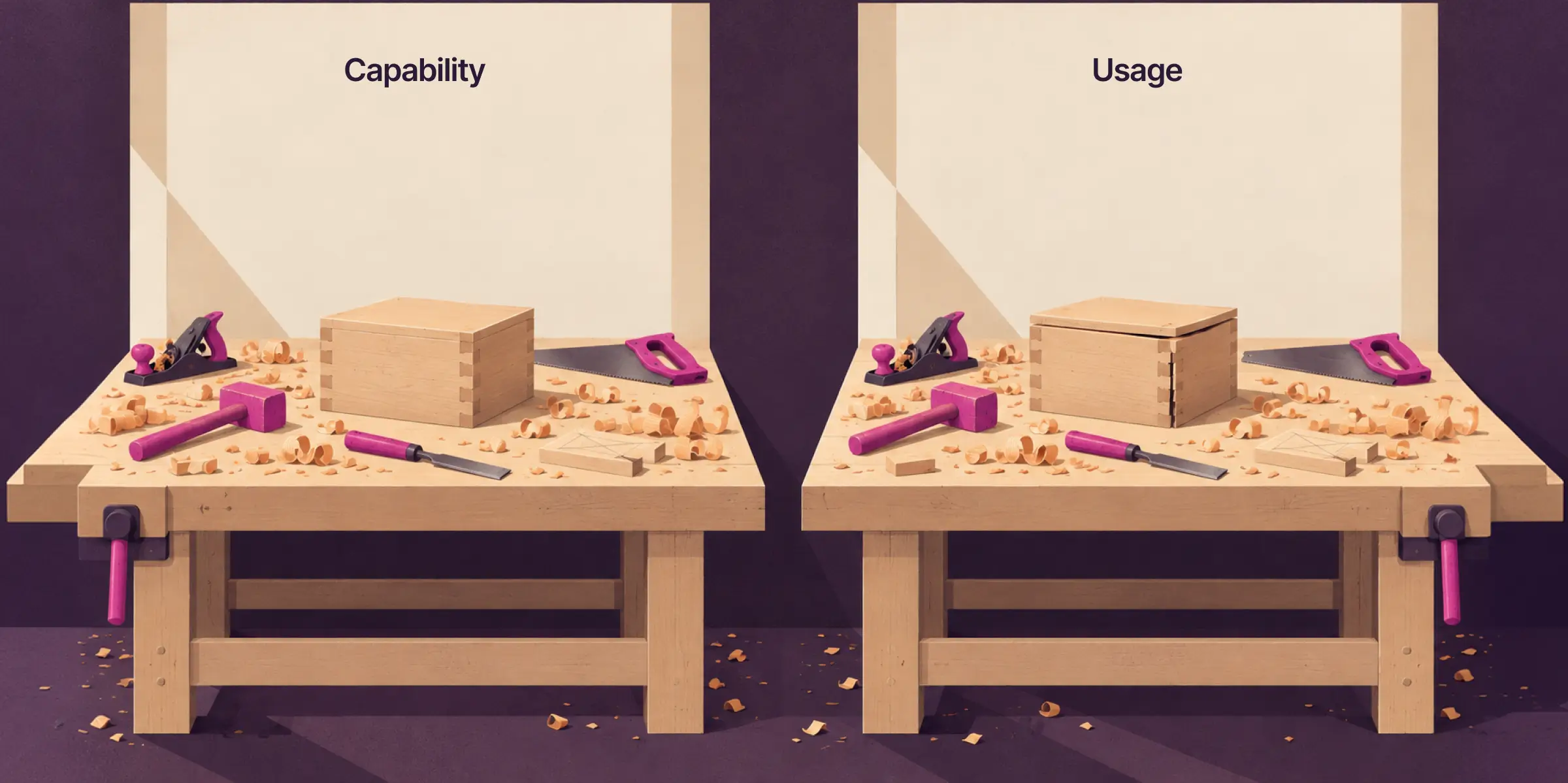
The problem is that the data doesn't always reflect actual employee proficiency. A skills profile might list a capability someone used once alongside one they've mastered over years of practice. Two systems might use the same skill label to describe different levels of expertise. And when AI tools are taking that information to deliver their own insights, the issues are amplified.
To figure out where your organization actually stands, you need workforce skills data you can rely on. Data that offers comprehensive coverage and consistent definitions, evidence of proficiency, and a reliable way to keep that evidence current. Without these foundations, even a seemingly comprehensive skills dataset can leave your organization with more questions than answers.
Skills Data Is Scattered Across Systems
Skills information typically lives across multiple systems, including HR systems, learning management platforms, performance tools, talent marketplaces, and employee-maintained profiles. Each system captures a different aspect of an employee's capabilities, and the pieces don't always fit together to form a clear picture.
One platform might record that an employee completed an AI course, while another lists AI as a self-reported skill and a third infers proficiency from a job title or work experience. These different types of information each tell a slightly different story, and treating them as interchangeable can create a misleading impression of how well the employee can actually apply AI.
Even when organizations are able to bring these records together, integration alone doesn't resolve differences in data quality or meaning. In fact, it can do more harm than good. A centralized dashboard that displays data as unified charts gives the impression of consistency without addressing the underlying issues affecting accuracy. The organization knows where each data point comes from, but not how much confidence each one deserves.
Building a trustworthy picture of workforce capabilities requires a consistent framework for interpreting skills information across different systems and separating contextual clues from evidence of proficiency.
Shared Skills Vocabulary Doesn't Guarantee Shared Understanding
Skills data is difficult to compare when organizations lack consistent definitions of what individual skills mean and what proficiency looks like in practice. A broad label such as “data analysis,” “cybersecurity,” or “AI literacy” can encompass a wide range of knowledge and abilities depending on the role, context, and complexity of the work.
Organizations face the same issues when they rely on job titles or proficiency labels but don't define the capabilities behind them. One manager might consider an employee who understands a concept as proficient, while another reserves that designation for someone who can apply the concept to complex problems. Both managers are using the same terminology, but their assessments aren't comparable.
The challenge is greatest for organizations that need to compare capabilities across teams, business units, or locations. Without shared standards, leaders may struggle to determine whether an apparent skills gap reflects a genuine shortage or different ways of evaluating the same skill. It's impossible to identify the teams that need more support or which skills to prioritize.
Trustworthy skills data needs a common language grounded in observable capabilities. Organizations should establish what a skill entails, define meaningful levels of proficiency, and use consistent methods to evaluate whether employees meet those standards. Doing so creates a strong basis for comparing skills data without assuming that identical labels automatically represent identical abilities.
Skills Profiles Look Complete Without Reflecting Current Capabilities
Just because skills data is well organized and consistently labeled, that doesn't mean it accurately reflects what employees can do today.
Workforce skills profiles often rely on information that identifies potential skills but falls short of providing solid proof. Employees may over- or underestimate their abilities; experience doesn't guarantee proficiency, and completing a training course might not mean someone can apply everything they learned. And of course, skills never stand still, which makes understanding where the workforce stands even more complicated. Skills evolve through practice, training, and experience, and new technologies and changing business requirements can alter what proficiency means.
Organizations need to distinguish between information that suggests someone has a certain skill and evidence that truly establishes their proficiency. Assessments are one way to validate capabilities against defined standards, while periodic reassessments can help keep that understanding current. The goal isn't to test every employee on every skill continuously, but to establish a proportionate, reliable process for validating the capabilities that matter most.
Build Trust With Verified Skills Intelligence
Workforce skills data is only as useful as the confidence organizations can place in it. Fragmented systems, inconsistent definitions, and outdated or unverified profiles can all undermine the accuracy of an organization's view of its workforce, even when the underlying dataset appears complete.
Building trust starts with establishing shared definitions, distinguishing self-reported or inferred capabilities from verified proficiency, and keeping evidence aligned with current organizational needs. Together, these practices help organizations move beyond simply documenting skills toward developing a more dependable understanding of workforce capabilities.
Workera helps organizations build this foundation through verified skills intelligence, providing a more objective view of workforce proficiency that can support skills development and broader workforce planning. Schedule a demo with Workera to see how verified skills intelligence can help your organization build a more trustworthy picture of workforce capabilities.
Category
Blog
Trending Updates

Blog
Shadow L&D and the Confidence Trap: Addressing Hidden Skill Blind Spots

Blog
Best Skills Intelligence Platforms Compared for 2026