How to Build an AI-Ready Workforce: Moving Beyond Activity Metrics
About This Conversation
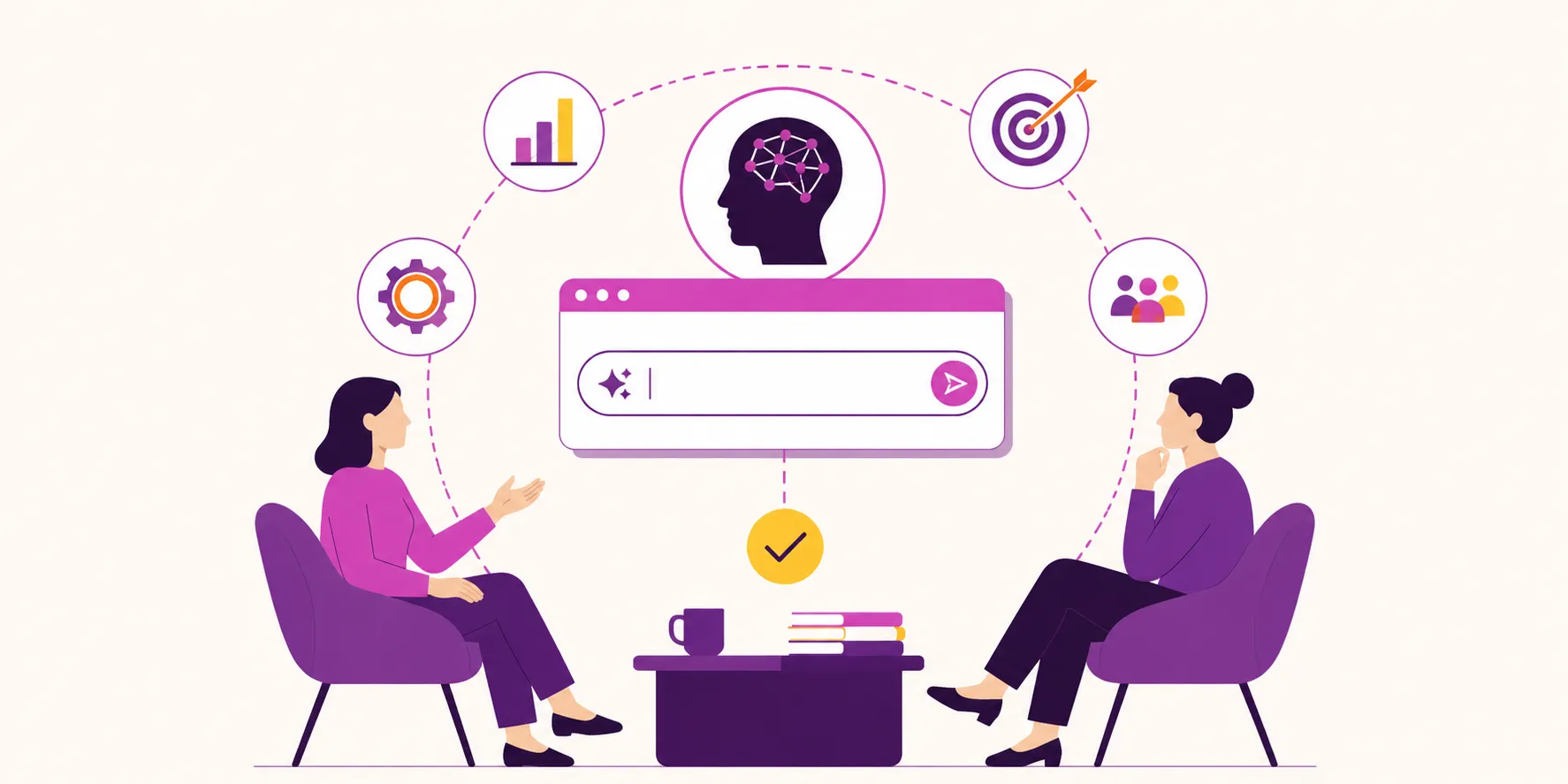
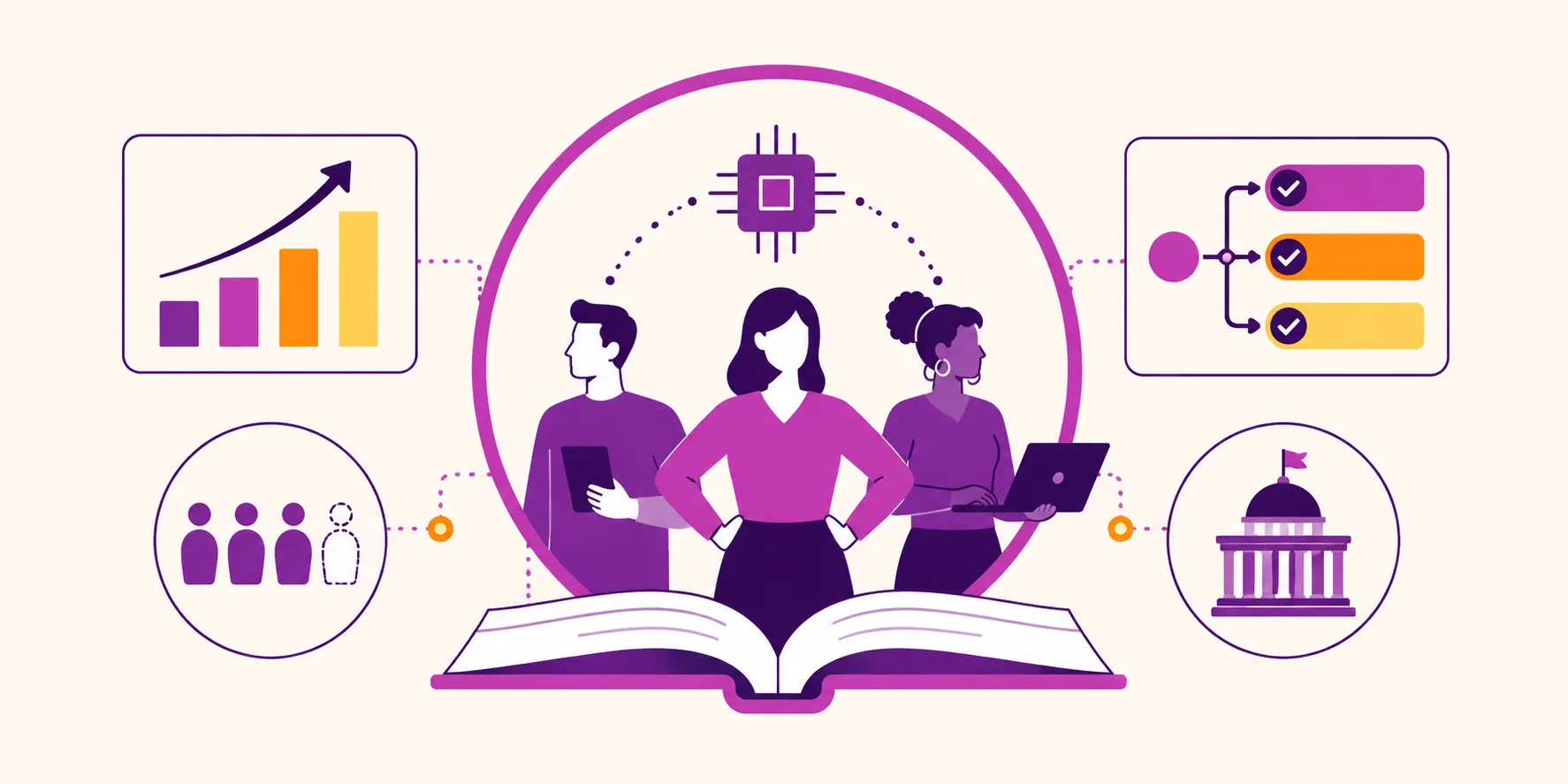
Episode two of the Skills Forecast series brings together Kathy Anderes and Jim Hemgen to explore what it actually takes to move beyond activity metrics and measure true workforce readiness. The conversation covers the full arc — from why most organizations are still stuck measuring hours and enrollments, to the real-world mechanics of dynamic skilling, precision learning pathways, and what happens when a government contracting firm wakes up one morning with five times as many employees on the bench. This is a research-grounded conversation with concrete use cases.
Speakers
Kathy Anderes is Senior Vice President of Research and Global Industry Analyst at the Josh Bersin Company, where she works with organizations on AI transformation, workforce readiness, and the evolution of corporate learning and development.
Jim Hemgen is VP of Partnerships at Workera and former Chief Learning Officer at Booz Allen Hamilton, where he spent twelve years building out the firm's AI readiness and skills intelligence capabilities across its federal government-focused workforce.
Bridging the AI Gap
Only five percent of businesses are currently seeing ROI from their AI investments, according to MIT research. The reason isn't that the AI isn't good — it's the learning gap. People don't yet have the AI literacy or the capabilities to embed AI into their workflows in a meaningful business sense. The gap between what organizations recognize as the problem and what they're doing about it is striking: seventy-two percent of companies identify workforce skills as the most important barrier to AI success, but only seven percent have what researchers call a dynamic skilling program.
The "Superworker" Advantage
In every company, five to ten percent of people are already using AI tools in an outstanding way — creating new use cases, driving innovation, and pushing business results forward. Building a superworker company means understanding what your workforce AI capabilities actually are, then redesigning jobs, workflows, and the cultural environment to scale those behaviors. Employees using AI to boost performance is no longer an experiment — it's an expectation, and compensation is increasingly tied to demonstrated outcomes.
The AI Reinvention Ladder: From Assistance to Autonomous Super-Agents
Organizations move through stages of AI transformation. The first stage is using AI as an assistant — ChatGPT, Copilot, or Claude answering questions and improving outputs. The next stage is embedding agents into workflows where AI handles entire tasks: scheduling an interview, writing a job description. The real enterprise transformation comes when those agents are strung together into multifunctional super-agents handling processes end-to-end. Some organizations are already operating at the autonomous super-agent stage, with AI handling entire hiring cycles with minimal human intervention.
The Startling Stats: Burnout, Skill Barriers, and Only 7% Doing Dynamic Skilling
Forty percent of employees feel burnt out because of AI. Twenty-three percent feel their work is less relevant. But seventy-six percent are looking to their employers for help upskilling — they expect the organization to guide them. At the same time, only twenty-eight percent of companies think about workforce skills when they prioritize which AI use cases to bring to market. What gets measured gets done. Organizations running broad-based programs — giving everyone a general AI or prompting course — without assessing capabilities first are unlikely to drive meaningful AI adoption or innovation.
Empowering AI Literacy
AI literacy operates on four dimensions: knowing what AI is, being able to use it in a business context, being able to build with it, and thinking about it through a business lens — does it benefit customers, financials, and downstream impact? Organizations need to understand who in their workforce has AI literacy at each of these levels. That foundation is what makes governance councils, experimentation programs, and capability strategies possible. Only four percent of organizations currently conduct regular skill gap analysis to see how current employee skills map to future business needs.
From Self-Ratings to Validated Skills: The Metrics That Finally Changed the Conversation
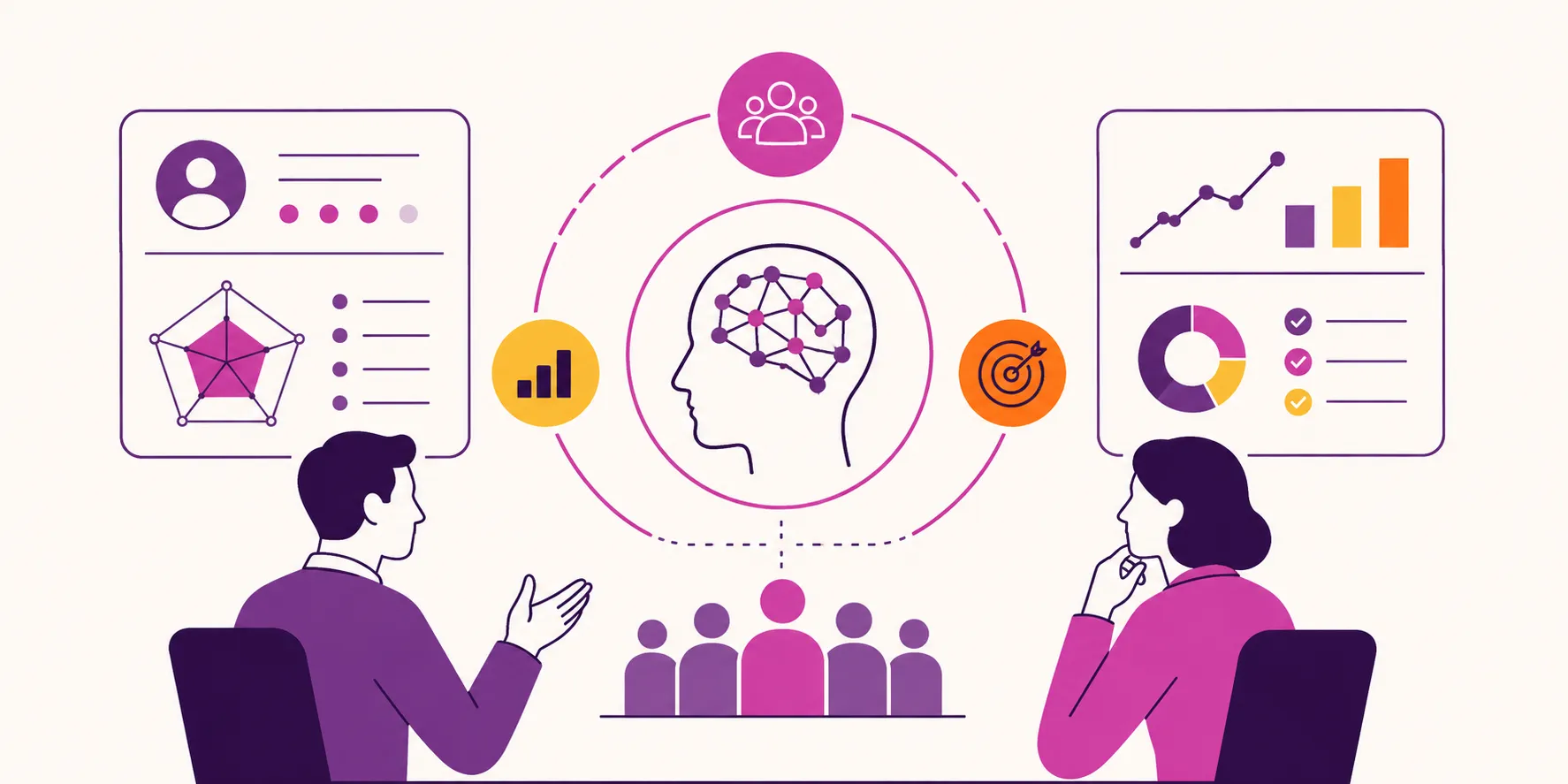
The shift from activity metrics to skills intelligence starts with building the components of the talent system: self-declared skills, peer and manager ratings, and then validated proficiency through assessments. At Workera, that means being able to show not just whether someone has a skill, but their proficiency level, their rate of progression (skills velocity), and how that connects to business impact. When that data is available, the conversation with executives changes entirely — from how many enrollments to whether the workforce can perform the work leadership needs.
The Proficiency Curve: Upskilling in 8 Weeks
A proficiency curve is an executive artifact. It shows whether the workforce is on track to meet a capability target — not how many courses were completed or certificates earned. At Booz Allen, a cohort started at an average proficiency of 2.5 and set a target of 4 on a scale of 1 to 5. They crossed that target just before week eight, upskilling based on a clear baseline, with skill adoption and proficiency moving together. When people know they're being measured on demonstrated capability — not just completion — behavior changes. The skill gap annotation makes the chart possible: without a validated baseline, you can't track velocity, and without velocity, you can't manage to a target.
Trending Updates

Skills Intelligence: How to Measure AI Workforce Readiness